

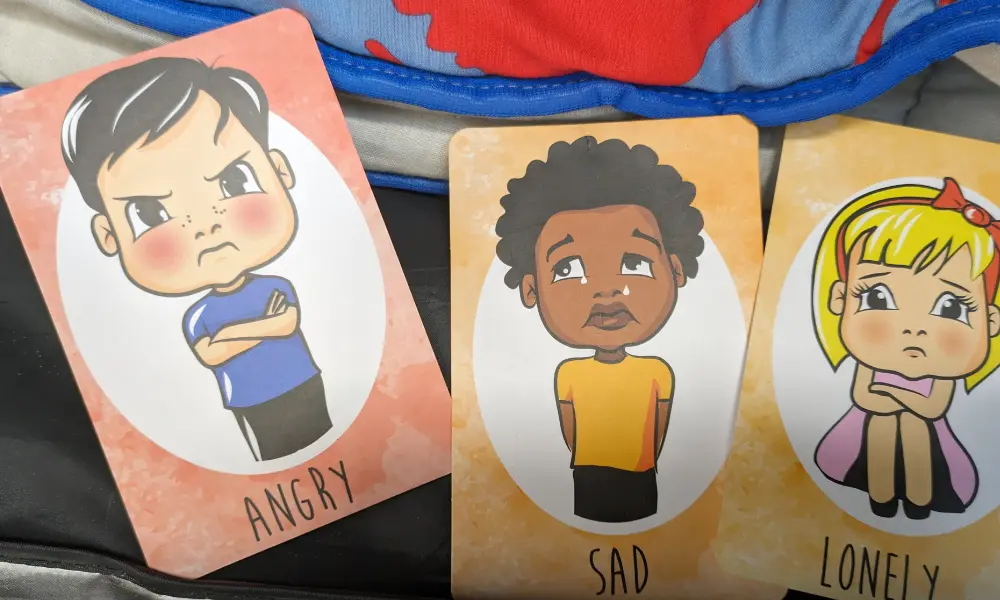
All families experience conflict. Disagreements about routines, boundaries, responsibilities and expectations are part of everyday life. However, sometimes conflict begins to feel repetitive and predictable. The same arguments surface again and again, voices rise in familiar ways, and family members can begin to feel stuck in roles that are difficult to shift.
From a systemic perspective, difficulties are rarely located within one individual. Instead, patterns develop between people over time. For example, when tension rises, one child may withdraw to avoid confrontation, another may become louder to feel heard, and a parent may respond by becoming more controlling in an attempt to restore calm. Each reaction influences the next, creating a cycle. Over time, these cycles can become entrenched, even if no one fully understands how they began.
Often, these patterns form gradually in response to stress, life changes or unspoken emotional needs. A period of uncertainty — such as illness, separation or academic pressure — may increase sensitivity within the family system. Protective responses that initially served a purpose can unintentionally reinforce conflict. A parent’s firmness may stem from worry; a teenager’s anger may mask anxiety or fear of disappointment.
When conflict becomes cyclical, it can feel personal. Family members may begin to label one another: “the difficult one,” “the overreactive one,” “the one who never listens.” These labels can intensify frustration and reduce empathy. Yet when families step back and examine the pattern rather than the person, space for understanding opens up.
In systemic therapy, attention is given to the sequence of interactions. What tends to happen just before an argument begins? How does each person respond? What emotions might sit beneath the visible behaviour? Slowing down these exchanges in a supportive environment allows everyone to see their part in the cycle without blame.
Change does not usually require dramatic transformation. Small shifts — a pause before responding, a different tone, an acknowledgment of feelings — can interrupt established patterns. As family members begin to respond differently, the system itself gradually reorganises.
Understanding conflict as relational rather than individual can be deeply relieving. It reminds families that no one person is the problem. Instead, the focus becomes collaboration, curiosity and shared responsibility for change. Through increased awareness and communication, families often rediscover empathy, flexibility and connection.